
Why Choose Interrail for Your Italian Adventure?
Opting for an Interrail Pass to explore Italy unlocks a world of convenience and discovery. It provides a unique opportunity to experience the country's rich tapestry of cities, towns, and scenic vistas from a comfortable and sustainable perspective. Forget the stress of rental cars or domestic flights; train travel simplifies your logistics, making the journey part of the adventure.
The ease of hopping between destinations means you can maximize your time exploring rather than navigating complex travel arrangements. Italy's train stations are often centrally located, placing you right in the heart of the action upon arrival. This makes an Interrail Italy route an incredibly efficient and enjoyable way to traverse the peninsula.
Unmatched Flexibility and Freedom
An Interrail Pass offers incredible freedom, allowing you to alter your plans on the fly or stay longer in a place that captures your heart. You can choose from various passes, tailored to your travel style and duration. This flexibility is invaluable when exploring a country as diverse and captivating as Italy, where every turn reveals a new wonder.
- Adaptable Itineraries: Change your mind, change your destination.
- Cost-Effective: Often more economical than individual point-to-point tickets for extensive travel.
- Seamless Connections: Italy’s high-speed and regional trains connect major cities and smaller towns efficiently.
Scenic Routes and Iconic Destinations
Many train journeys across Italy are spectacles in themselves, offering panoramic views of vineyards, coastlines, and historic cityscapes. From the rolling hills of Tuscany to the dramatic cliffs of the Amalfi Coast, an Interrail Italy route ensures you don't miss a single breathtaking vista. You'll pass through charming villages and bustling metropolises, all from the comfort of your seat.
The rail network connects all major Italian cities, including Rome, Florence, Venice, Milan, and Naples. This allows you to effortlessly tick off bucket-list destinations while soaking in the authentic Italian atmosphere. Each journey becomes a mini-adventure, unfolding the beauty of Italy right outside your window.
Sustainable Travel Choice
Choosing to travel by train is one of the most environmentally friendly ways to explore. An Interrail in Italy significantly reduces your carbon footprint compared to flying or driving. This makes it an excellent option for conscious travelers who wish to minimize their environmental impact while enjoying a rich cultural experience.
Embrace slow travel and appreciate the landscapes you traverse, knowing you're making a positive choice for the planet. Sustainable tourism is becoming increasingly important, and Interrail offers a fantastic way to support this movement without compromising on adventure or comfort.
Planning Your Perfect Interrail Italy Route
Careful planning is key to a successful and stress-free Interrail journey through Italy. From selecting the right pass to understanding train reservations, a little preparation goes a long way. Consider your travel style, budget, and the amount of time you have available to craft an itinerary that truly suits you.
Don't rush the planning process; instead, savor the anticipation of building your dream Italian adventure. Thinking about the cities you want to visit and the experiences you hope to have will help you narrow down your options and create a logical, enjoyable Interrail Italy route.
Choosing Your Pass: Global vs. One Country
Your first decision will be which Interrail Pass suits your needs. If Italy is your sole destination, an Interrail One Country Pass for Italy is ideal. This pass offers great value if you plan extensive travel within Italy. However, if your Italian adventure is part of a larger European tour, the Global Pass provides access to trains across 33 countries, including Italy.
Evaluate the number of travel days you'll need within a specific period. Passes are available for various durations, such as 5 travel days within 1 month or 15 continuous days. Consider how frequently you plan to move between cities to select the most cost-effective option for your Interrail in Italy.
Reservation Essentials for Italy
While Interrail Passes cover the train fare, many Italian high-speed trains (like Frecciarossa, Frecciargento, and Frecciabianca) and some overnight trains require mandatory seat reservations. These reservations typically cost an additional fee, usually around €10-€15 per journey, and can be booked online, at train stations, or through the Rail Planner app.
It's crucial to book popular routes, especially during peak season, well in advance to avoid disappointment. Regional trains generally do not require reservations, offering more spontaneous travel. Factor reservation costs and booking times into your Interrail Italy route planning to ensure a smooth journey.
Best Time to Travel for an Interrail in Italy
The shoulder seasons (April-May and September-October) are often considered the best times for an Interrail Italy route. The weather is pleasant, crowds are manageable, and prices for accommodation can be more reasonable. Summer (June-August) brings hot weather and peak tourist crowds, especially in popular destinations.
Winter (November-March) offers a quieter experience, particularly in major cities, but some coastal areas might have limited services. Consider your preferences for weather and crowd levels when deciding on the ideal time for your Italian rail adventure. Each season offers a unique charm for exploring Italy by train.
Epic Interrail Italy Route Itineraries
Italy offers a wealth of incredible destinations, and crafting the perfect Interrail Italy route can seem daunting. To help you get started, here are a few suggested itineraries, ranging from classic tours to more off-the-beaten-path adventures. Remember, these are just starting points - feel free to mix and match to create your personalized journey!
Each route highlights a different facet of Italy's charm, ensuring a diverse and unforgettable experience. Whether you're drawn to ancient history, Renaissance art, stunning coastlines, or culinary delights, there's an Interrail in Italy route waiting for you.
The Classic North-South Journey (10-14 Days)
This popular Interrail Italy route covers the major highlights, perfect for first-timers. It allows you to experience Italy's iconic cities, from the fashion capital to the Eternal City and the vibrant south.
- Milan (2 days): Fashion, Duomo, Last Supper.
- Venice (2 days): Canals, gondolas, St. Mark's Square.
- Florence (3 days): Renaissance art, Uffizi, Duomo, day trip to Tuscany.
- Rome (3-4 days): Colosseum, Vatican, Pantheon, Trevi Fountain.
- Naples & Amalfi Coast (2-3 days): Pompeii, Mount Vesuvius, pizza, day trip to Amalfi or Capri.
Begin your Interrail Italy route in Milan, a hub of fashion and design. Explore its magnificent Duomo and the historic Galleria Vittorio Emanuele II. From Milan, a high-speed train whisks you away to the magical city of Venice, where canals replace roads and ancient palazzos line the waterways. Lose yourself in its labyrinthine alleys and iconic squares.
Next, journey to Florence, the cradle of the Renaissance. Marvel at masterpieces by Michelangelo and Botticelli, climb Brunelleschi's Dome, and stroll across Ponte Vecchio. Use Florence as a base for a day trip into the rolling hills of Tuscany, perhaps to Siena or a charming vineyard town by local train or bus.
Conclude your classic Interrail in Italy with Rome, the Eternal City. Immerse yourself in ancient history at the Colosseum and Roman Forum, visit the Vatican City, and toss a coin in the Trevi Fountain. A short train ride south brings you to bustling Naples, the birthplace of pizza, and a gateway to Pompeii, Mount Vesuvius, and the stunning Amalfi Coast.
Coastal Wonders & Hidden Gems (10-14 Days)
For those who prefer picturesque coastlines and charming smaller towns, this Interrail Italy route focuses on Italy's stunning shores and lesser-known treasures. It offers a blend of relaxation and scenic beauty, away from the busiest tourist trails.
- Genoa (1 day): Historic port city, Aquarium.
- Cinque Terre (2-3 days): Hike between colorful villages, enjoy Ligurian cuisine.
- Pisa/Lucca (1 day): Leaning Tower, medieval walls.
- Bari (2 days): Gateway to Puglia, historic center.
- Lecce (2-3 days): Baroque architecture, 'Florence of the South'.
- Matera (2 days): Ancient cave dwellings (Sassi di Matera).
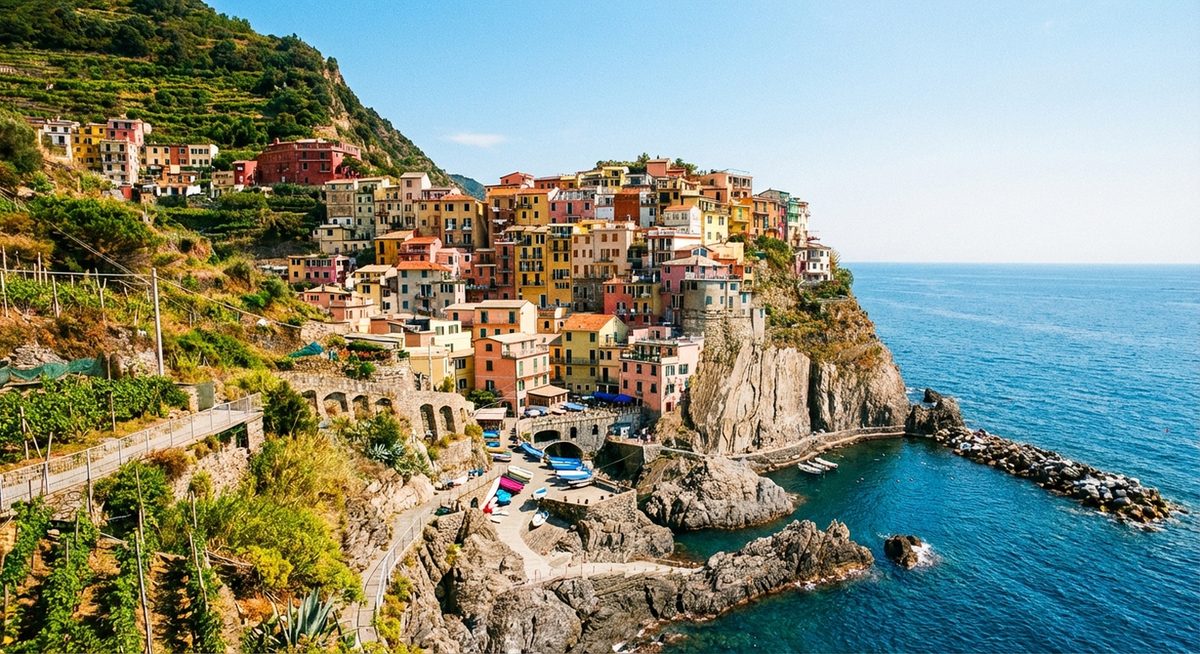
Start your coastal Interrail Italy route in Genoa, a historic port city with a rich maritime past. From there, head to the iconic Cinque Terre, a string of five vibrant fishing villages perched on dramatic cliffs. Spend a few days hiking the scenic trails, swimming in crystal-clear waters, and savoring fresh seafood. This is a truly unique experience by train.
After exploring the north, take a scenic train journey south towards Puglia, starting in Bari. Discover the unique trulli houses of Alberobello, the stunning baroque city of Lecce, and the ancient cave dwellings of Matera (a short bus ride from Bari). While the Amalfi Coast isn't directly on the main Interrail network, you can reach Naples by train and then use local transport to explore its beauty.
Essential Tips for Your Interrail Italy Journey
Maximizing your Interrail in Italy requires more than just a great itinerary; it also involves smart packing, understanding local transport, and clever budgeting. These practical tips will help ensure your trip runs smoothly and you make the most of every moment.
From navigating train stations to finding the best local eats, being prepared will enhance your overall experience. Consider these insights as you finalize your Interrail Italy route and prepare for your adventure.
Packing Smart for an Interrail in Italy
Travel light! A backpack is generally preferred over a suitcase for ease of movement on and off trains, and through crowded stations. Pack versatile clothing suitable for different weather conditions, comfortable walking shoes are a must, and don't forget essential adapters and a portable charger. Remember, you'll be carrying your luggage frequently.
Consider layers, especially if you're traveling during shoulder seasons when temperatures can vary. A reusable water bottle is also a great idea, as Italy has many public drinking fountains, helping you stay hydrated and reduce plastic waste on your Interrail Italy route.
Mastering Train Travel in Italy
Familiarize yourself with the main train operators: Trenitalia (national) and Italo (private high-speed). Download the Trenitalia app for live train times, platform numbers, and to manage reservations. Validate your regional train tickets before boarding by stamping them at the green machines on the platform; failure to do so can result in a fine.
For high-speed trains, simply show your e-ticket or Interrail Pass with the reservation. Always arrive at the station with ample time, especially in larger cities like Rome Termini or Milan Centrale, to find your platform and avoid last-minute rush. This makes your Interrail in Italy much more relaxing.
Accommodation Hacks for Your Route
Book accommodation in advance, especially during peak season or for popular destinations. Hostels are great for solo travelers and budget-conscious individuals, offering a chance to meet fellow travelers. For couples or groups, consider budget hotels or Airbnbs.
Look for places close to train stations for convenience, but also consider areas with good public transport links to attractions. Using booking platforms with free cancellation policies can offer flexibility if your Interrail Italy route plans change. Always read reviews before booking.
Budgeting Wisely for Your Italian Trip
While the Interrail Pass covers train travel, remember to budget for food, accommodation, city transport, reservations, and activities. Italy can be enjoyed on various budgets. Eating at local trattorias, buying groceries from markets, and opting for free walking tours can help keep costs down.
Set a daily budget for spending and track your expenses. Many museums offer discounts for students or those under 26, so always inquire. A well-planned budget ensures you can enjoy your Interrail in Italy without any financial surprises.
Beyond the Rails: Experiencing Italy
An Interrail Italy route is not just about the trains; it's about the vibrant experiences waiting at each stop. Italy is a feast for the senses, offering world-renowned cuisine, unparalleled art, and a passionate culture that invites you to participate. Don't just see Italy; truly experience it.
Take time to wander off the main tourist paths, engage with locals, and immerse yourself in daily Italian life. These moments often become the most cherished memories of any Interrail in Italy adventure.
Savoring Italian Cuisine
No trip to Italy is complete without indulging in its incredible food. From Neapolitan pizza to Roman pasta, Florentine steak, and Venetian seafood, every region boasts its own culinary delights. Seek out local trattorias and osterias for authentic, delicious meals at reasonable prices. Don't shy away from street food like arancini or supplì.
Enjoy an aperitivo before dinner, savoring a spritz with complimentary snacks. And of course, gelato is a must-try at every opportunity! These culinary experiences are an integral part of any Interrail Italy route.
Embracing Local Culture
Italy's culture is rich and diverse. Learn a few basic Italian phrases like 'Buongiorno' (Good morning), 'Grazie' (Thank you), and 'Per favore' (Please) - locals will appreciate the effort. Respect local customs, especially when visiting churches and religious sites (dress modestly).
Take part in local festivals if your timing aligns, visit bustling markets, and simply observe daily life from a piazza. These interactions and observations will deepen your appreciation for the country and its people, making your Interrail in Italy truly enriching.
Preguntas frecuentes
What is the best Interrail Italy route for first-time visitors?
For first-time visitors, a classic Interrail Italy route typically includes major cities like Milan, Venice, Florence, Rome, and Naples. This itinerary offers a comprehensive introduction to Italy's diverse landscapes, historical sites, and culinary delights, easily connected by high-speed trains. It provides a balanced mix of art, history, and vibrant city life.
How do I book seat reservations for my Interrail in Italy?
Seat reservations for high-speed Italian trains (Frecciarossa, Frecciargento, Frecciabianca) are mandatory and can be booked online via the Interrail website, through the Rail Planner app, at train station ticket offices, or self-service machines. It's advisable to book well in advance, especially during peak season, as popular routes can sell out. Regional trains usually do not require reservations.
Is an Interrail Pass worth it for travel exclusively within Italy?
If you plan extensive train travel within Italy, an Interrail One Country Pass for Italy can be very cost-effective compared to buying individual point-to-point tickets. It offers flexibility and can save money if you plan to visit multiple cities over a specific period. For shorter trips or limited travel, individual tickets might be cheaper, so compare prices based on your specific Interrail Italy route.
What are the essential documents needed for an Interrail Italy route?
For your Interrail Italy route, you'll need your valid Interrail Pass (either mobile or paper), your passport or national ID card, and any mandatory seat reservations printed or on your phone. It's also wise to have travel insurance details and copies of important documents stored securely, both physically and digitally.
Can I travel to smaller towns with an Interrail in Italy?
Yes, Italy's extensive regional train network allows you to reach many smaller towns and off-the-beaten-path destinations using your Interrail Pass. While high-speed trains connect major cities, regional trains serve smaller routes, often without requiring reservations. This flexibility is a great advantage of an Interrail Italy route, enabling you to discover hidden gems beyond the main tourist hubs.
What's the best way to manage luggage during my Interrail Italy trip?
Traveling light is key for an Interrail Italy route. A comfortable backpack is generally recommended over a large suitcase for easier navigation on and off trains and through stations. Consider using packing cubes to organize your belongings. Many train stations offer luggage storage facilities (deposito bagagli) for a fee, which can be useful for day trips or when waiting for connections.
Are there any specific cultural tips for Interrail in Italy?
When traveling by Interrail in Italy, always remember to validate your regional train tickets before boarding (punch them at the green machines). Dress modestly when visiting churches and religious sites. Italians appreciate attempts to speak their language, so learning a few basic phrases like 'Ciao', 'Grazie', and 'Prego' can enhance your interactions. Tipping is not mandatory but appreciated for good service.
How much does an Interrail Italy route typically cost?
The total cost of an Interrail Italy route varies significantly based on the pass type, duration, accommodation choices, dining habits, and activities. An Interrail One Country Pass for Italy can range from €100-€300+. Add to this accommodation (€30-€150+ per night), food (€30-€70+ per day), reservations (€10-€15 per high-speed journey), and attractions. Budgeting €70-€150 per day (excluding the pass) is a reasonable starting point for a comfortable trip.